
Learning
A Learning Pathway for Low-carbon Building
This four-course series translates complex topics — life-cycle assessment, carbon accounting, forest-based materials, and modern methods of construction — into practical tools and strategies. With a focus on rural and regional contexts, the courses equip practitioners, communities, and decision-makers to take informed action across the full building lifecycle.
Learning Pathway
The courses are designed to work together. We designed this progression to move beyond just raising awareness, equipping learners to take real action and implement low-carbon strategies across the entire built environment.
Course 1
Course 2
establishes the foundation and holistic perspective
defines the policy and governance context
Course 3
Course 4
addresses implementation and construction
expands to reuse and long-term value
Course Series
This course series is led by Veronica Madonna as content creator and Principal Investigator, and developed in collaboration with Athabasca University’s PowerED platform. The curriculum is shaped through input from subject matter experts, including Mantle Climate, and informed by ongoing engagement with community groups, municipalities, and industry partners across Canada.

COURSE 1
Community-First Foundations: Holistic Building Strategies for Low-Embodied Carbon
This course introduces a holistic framework for understanding embodied carbon within the built environment. It situates building design within a broader regenerative context—considering environmental, social, cultural, and economic factors. Learners are introduced to life-cycle thinking, community engagement, and the role of forest-based biomaterials, establishing a foundation for informed decision-making.

Embodied Carbon, Life-Cycle Thinking, and Policy Pathways
COURSE 2
Building on this foundation, Course 2 explores how governance, policy, and regulatory systems shape carbon outcomes. It introduces life-cycle assessment (LCA), carbon accounting, and emerging standards, while examining how approvals, funding mechanisms, and procurement models influence design and construction. The course positions policy as a key driver in enabling low-carbon solutions.

COURSE 3
Building Implementation: From Local Resources to Life-Cycle Performance
This course focuses on implementation—translating strategy into built outcomes. It examines material selection, prefabrication, and modern methods of construction (MMC), with a particular focus on rural and regional contexts. Topics include local supply chains, construction logistics, durability, and long-term performance, connecting early design decisions to lifecycle impacts.
COURSE 4
Adaptive Re-Use: Existing Buildings as Low-Carbon Assets
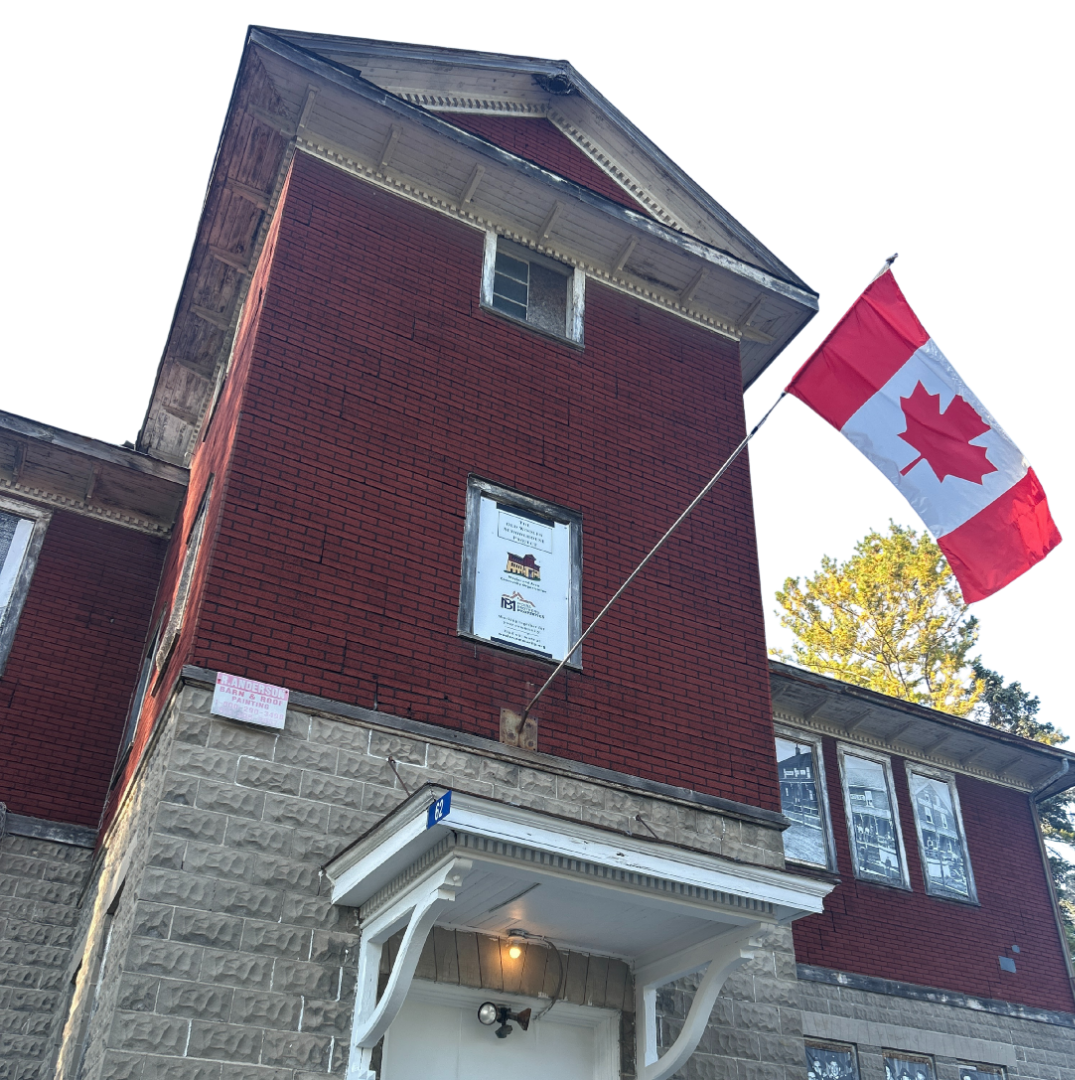
The final course reframes existing buildings as critical resources in achieving low-carbon outcomes. It explores adaptive reuse as a primary strategy—emphasizing conservation, transformation, and circular economy principles. Learners examine design, technical, and policy approaches to extending building life and integrating new systems within existing structures.